The room was cool in a way that had nothing to do with the weather outside. Air-conditioning, of course, but also something more deliberate: a controlled atmosphere in which edges were softened and friction removed. White linen stretched across long tables, glasses caught the light without effort, and conversations moved in low, steady currents between people who understood one another without needing to explain very much at all. Outside, Dar es Salaam pressed on as it always did—humid, impatient, unresolved—but inside the hotel everything had been reduced to something manageable, something that could be discussed without consequence.

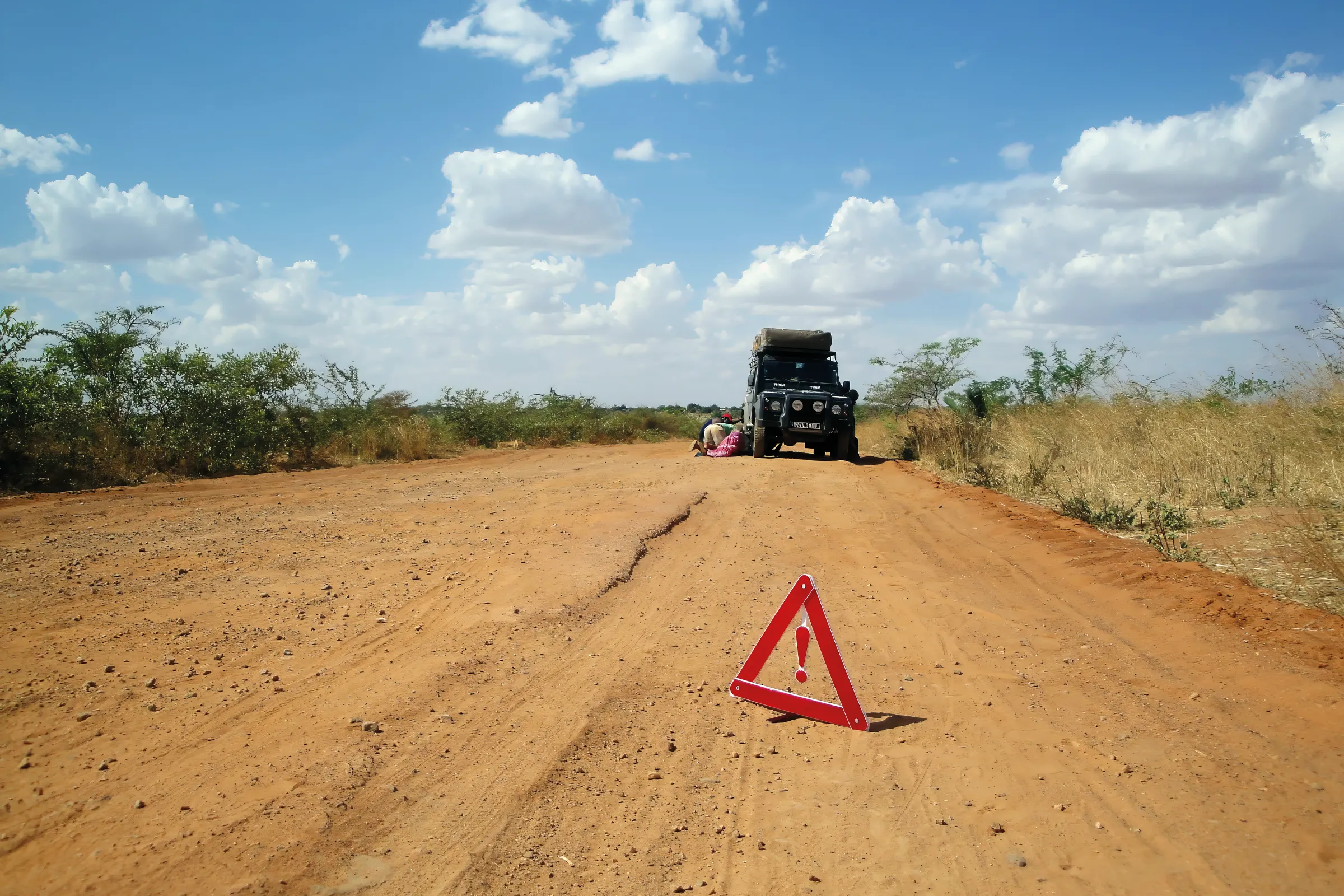
On a remote road in Tanzania.We had been invited with good intentions. Our Swedish friends, with whom we were staying, believed—perhaps rightly—that it might do us good to reconnect with something familiar. We had lived that life ourselves for more than a decade, moving between postings, adapting to the expectations of an international environment that functioned according to its own logic. It was not a bad life. On the contrary, it offered clarity, structure, and a sense of progression that is difficult to relinquish once it has taken hold. But standing there, moving from one conversation to the next, it became clear that we were no longer entirely part of it, even if we still spoke the language.
Introductions followed a pattern we recognised immediately. Not names, not stories, but affiliations. Who one was remained inseparable from where one worked, from the weight carried by a company name or a position within it. It was not arrogance so much as habit. The system required it. Without those markers, identity became difficult to place, and in a room such as this, being difficult to place meant becoming, almost imperceptibly, irrelevant.
It had been nearly a year since we had stepped away from that structure. We had not replaced it with anything comparable. There was no new role to explain, no upward movement to justify the decision. We had simply left, exchanging a defined existence for something far less certain: a journey that extended across continents without promising anything in return beyond movement itself. It sounded, when spoken aloud, like a luxury or a mistake, depending on the listener. In that room, it leaned heavily towards the latter.
There is a particular kind of distance that forms in such moments. Not hostility, not even disapproval, but a quiet recalibration in which you are no longer quite aligned with the expectations of those around you. Conversations continue, but they no longer draw you in. You are listened to, but not entirely understood. The absence of structure becomes visible, and with it the suspicion that you have stepped outside something you may not easily re-enter. We found ourselves speaking less, observing more, allowing the rhythm of the room to carry on without attempting to match it.
PREMIUM ARCHIVE
Continue reading with OverlandEurope membership
This article forms part of more than ten years of independent overland journalism. Learn what membership includes and how it opens the complete archive.
Already a member? Log in to continue.
Log in to continue reading
Enter your member details to continue reading this article without leaving the page.
The complete OverlandEurope archive, published independently since 2016.